Today’s bass are more pressured than ever before. With the use of modern electronics, especially forward-facing sonar, bass don’t have many places to hide. Rather than giving the fish more of the same, changing things up can produce big dividends—and it helps to have something sneaky in your arsenal.
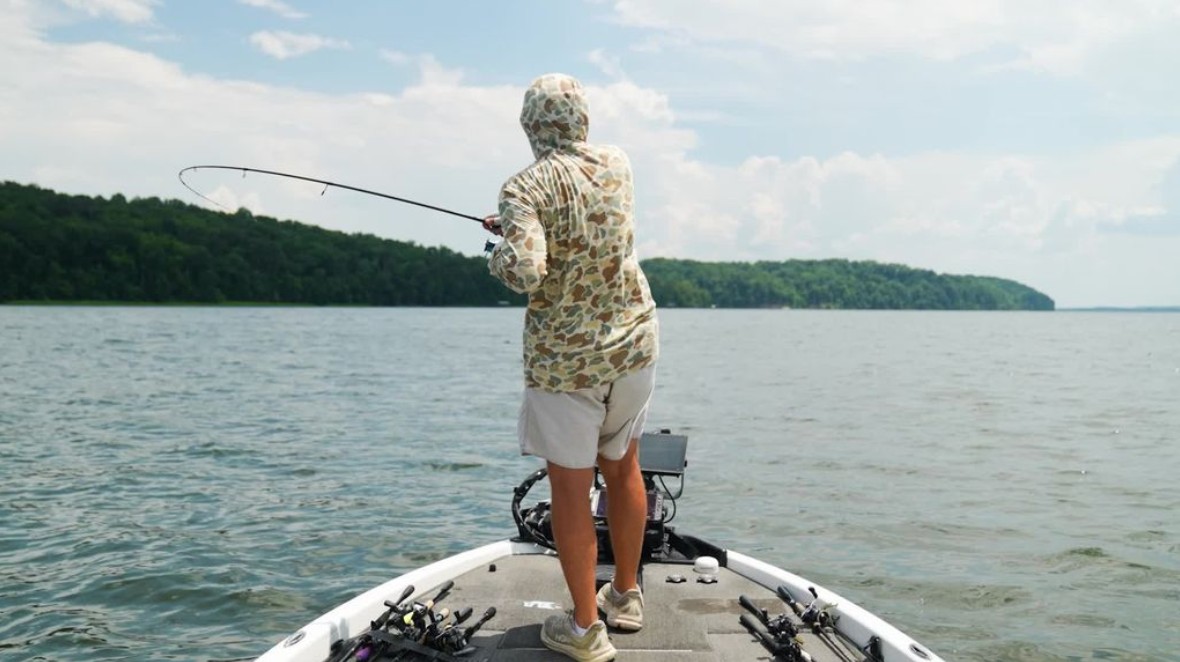
Although the Free Rig has been around for a while now, it still seems to fly mostly under the radar. Bass Pro Tour angler and deps pro staffer Jacob Walker relies on the Free Rig to put more and bigger fish in the boat. Here, Walker shares his thoughts and gives us the juice on the Free Rig.
Below, Jacob explains his Free Rig approach in his own words—from when and where he fishes it to his favorite baits and tackle.
A Freer-Falling Texas Rig
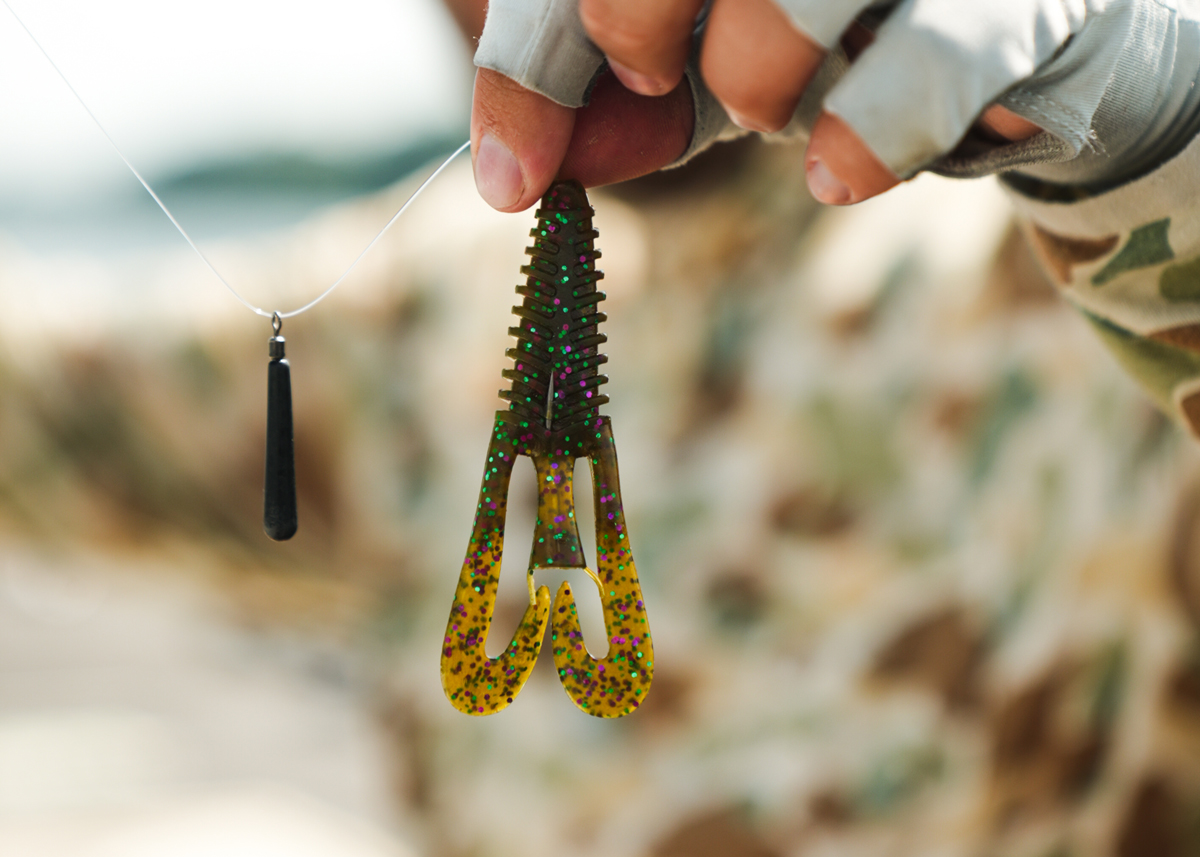
In my opinion, the Free Rig is a freer-falling Texas Rig. With the Texas Rig, I feel that the line does not flow through the weight as fast, so it draws the bait to the bottom much faster.
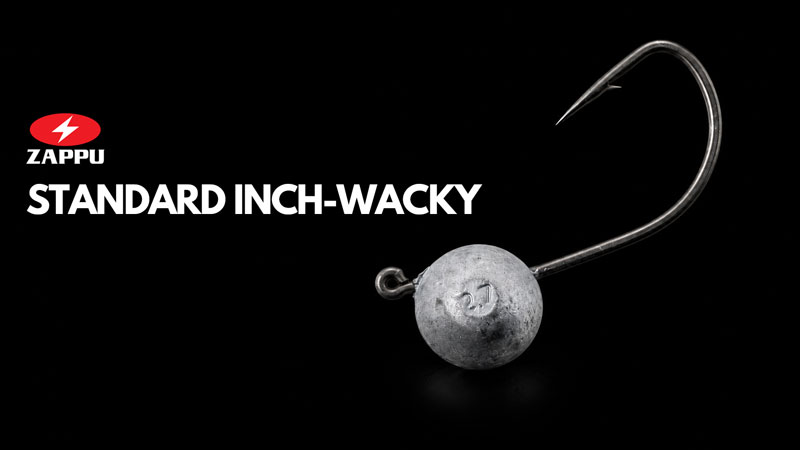
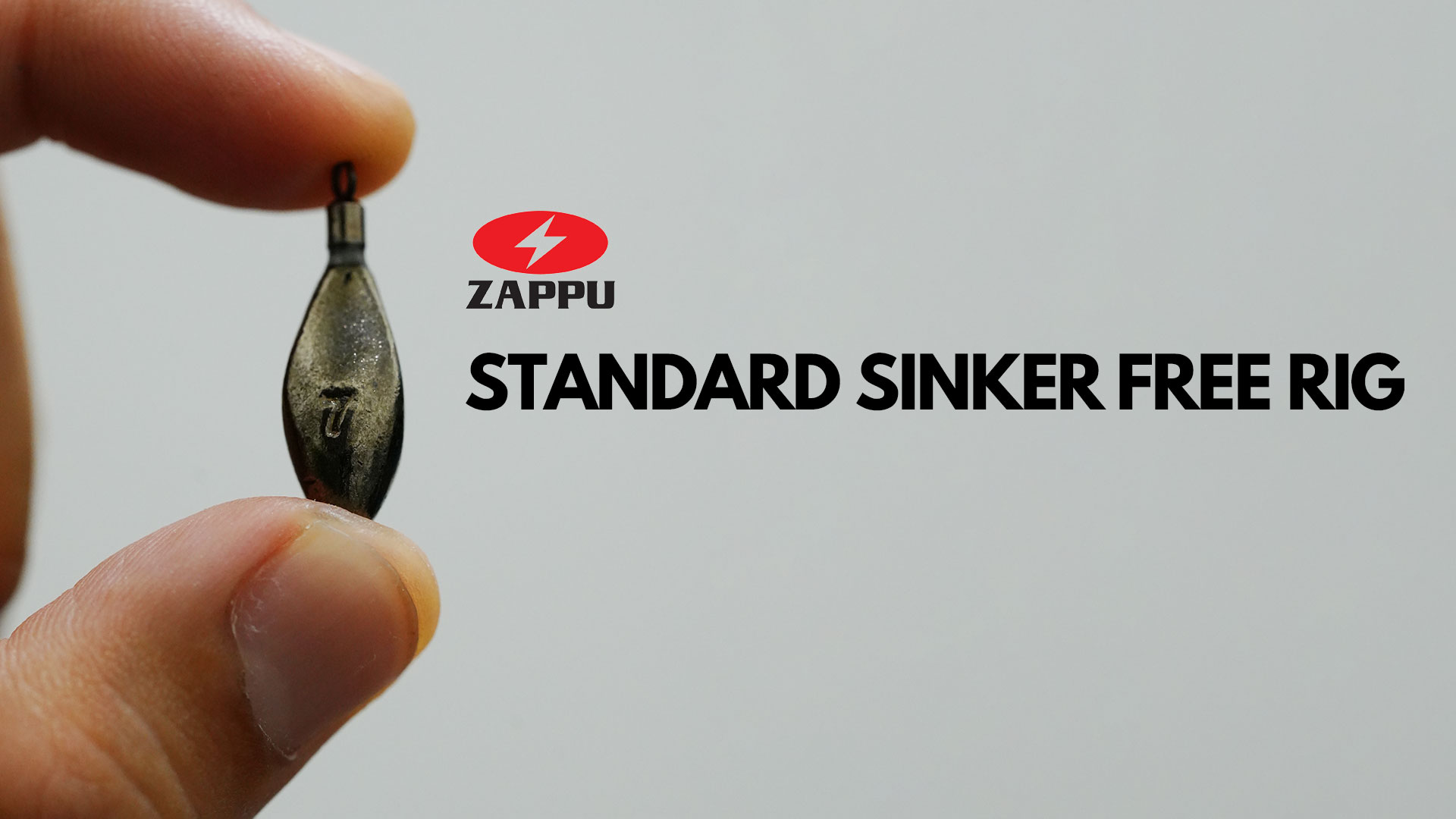
With a Free Rig, since you have all the weight hanging off the end and you’ve got the line running through a swivel, the line flows much smoother with less drag. That allows your bait to separate from the weight and fall at a slower rate of speed.
Although you can fish the same baits on both, the Free Rig has more of a finesse-type feel because the bait falls slower, which gives it a more natural action.
I think a lot of fishermen are impatient these days, and we want something that gets to the bottom quick. The fish are really used to seeing that super-fast fall from a drop shot, a jig, or a football jig, and that’s why I think the Free Rig is a little bit different. The weight quickly gets to the bottom, but once that weight hits the bottom, sometimes there can be 3 to 4 feet of slack with the bait falling behind it.
When and Where the Free Rig Shines
I would call the Free Rig a nine-months-out-of-the-year bait. For us in Alabama, in November, December, and January, the fish are super heavy on bait, and they feed up toward topwaters and suspending baits. So in the fall, we use more moving baits.
The Free Rig is a very powerful spawn and post-spawn bait. I don’t know why it’s so good then, but for me, during the three months that I am around spawn and post-spawn fish, that’s when it really shines.
The Free Rig is so versatile. I like to flip it, a lot of times to isolated cover like a dock, a laydown tree, or bushes. On lakes that don’t have grass and have very few isolated targets, the fish get used to seeing the traditional offerings. If you can present a bait like the deps Barbute or the deps Bullflat with that slow, natural fall, you can usually generate a bite.
In clear water, if the fish are related to the bottom, you can cover more ground with the Free Rig because your bait is not directly on the bottom. Instead of having to make a cast every five feet down the bank or across a point, you can back that off and go every ten feet, just because the fish are going to be able to see your bait easier.
When I am fishing offshore, that’s when I am fishing isolated shell beds or bars. Again, the fish see a lot of pressure. They get guided on hard. It doesn’t take long for the right people to figure out where these areas are.
That’s why I throw the Free Rig, because the presentation is different than a lot of the other baits they see there, like big shaky heads, football jigs, and stuff like that. The Free Rig presents a different rate of fall to those fish.
Match the Fish’s Mood
From using forward-facing sonar, I’ve learned that the fish really like a slower but snappy retrieve. With the Free Rig, you get that slow fall, but you can change the cadence or the aggressiveness of your pull based on how the fish are reacting.
If I am getting really aggressive thumps, or if the fish are taking off with it, then I like to hit them back with the same aggression. But if it’s something where I am dragging it and I don’t really feel the bite, and I can tell the fish are not in an aggressive mood, then I try to match that.
The deps Barbute: Twitch, Then Pause
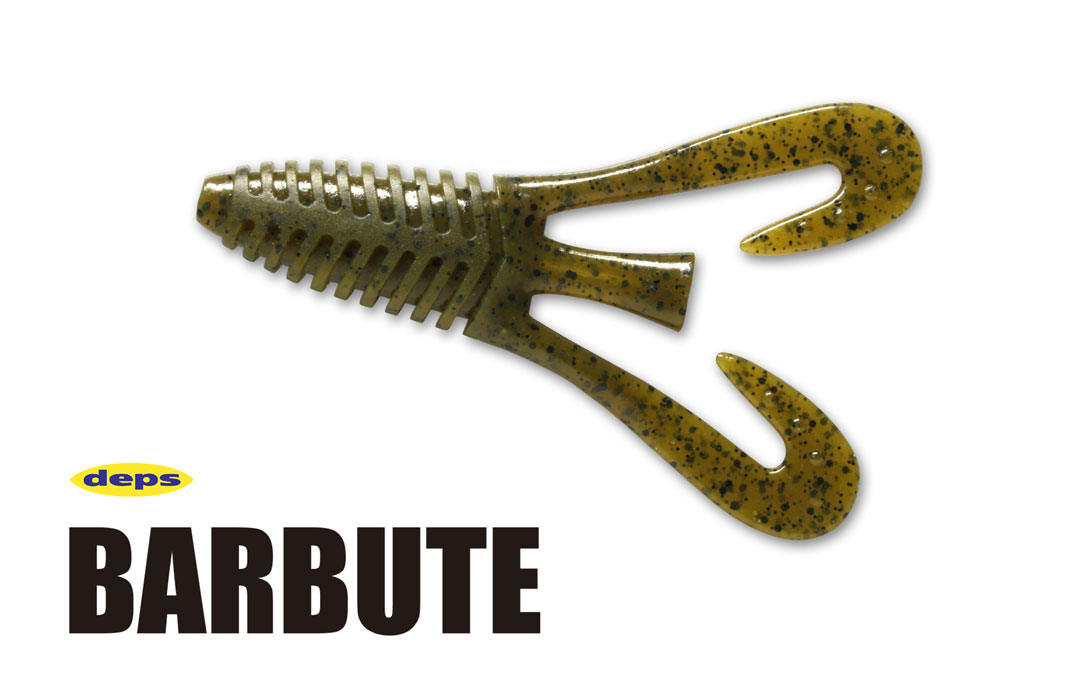
I love the deps Barbute. It produces a very aggressive presentation for its size because of the appendages on the bait. It has curved, swinging legs, and they don’t always move.
On a slow pull, you can keep the bait from doing too much, but when you pop it, you can really get those legs kicking hard. Once they start moving, when you drop your rod, they’ll just slowly kick and then stop.
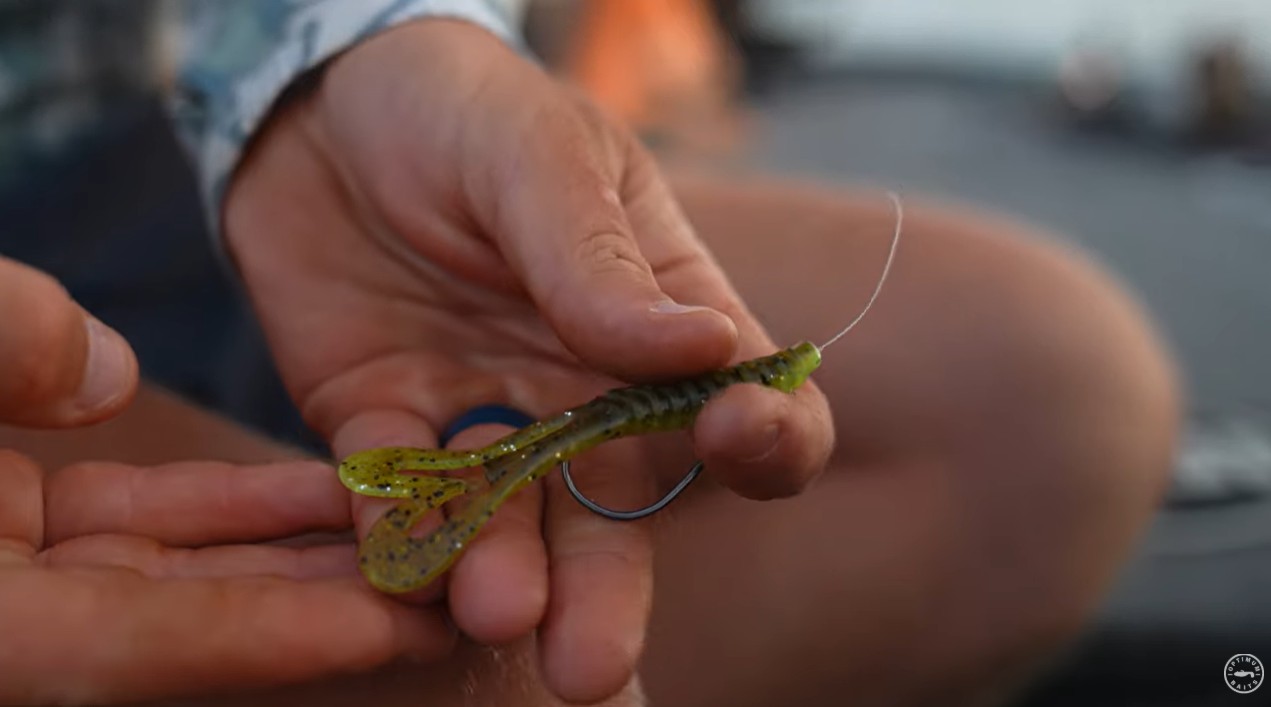
I like to use a straight-shank hook for the 3.5-inch and the 4-inch Barbute. I just think it has more bite, and I get better hookups. The 3/0 Owner Jungle Flippin’ Hook is the one I use, but if I’m fishing the 3-inch Barbute, then I’ll drop down to a 2/0 Owner J Hook.
Green Pumpkin, Green Pumpkin Chartreuse, and Scuppernong are my top three colors.
The deps Bullflat: A Natural Glide
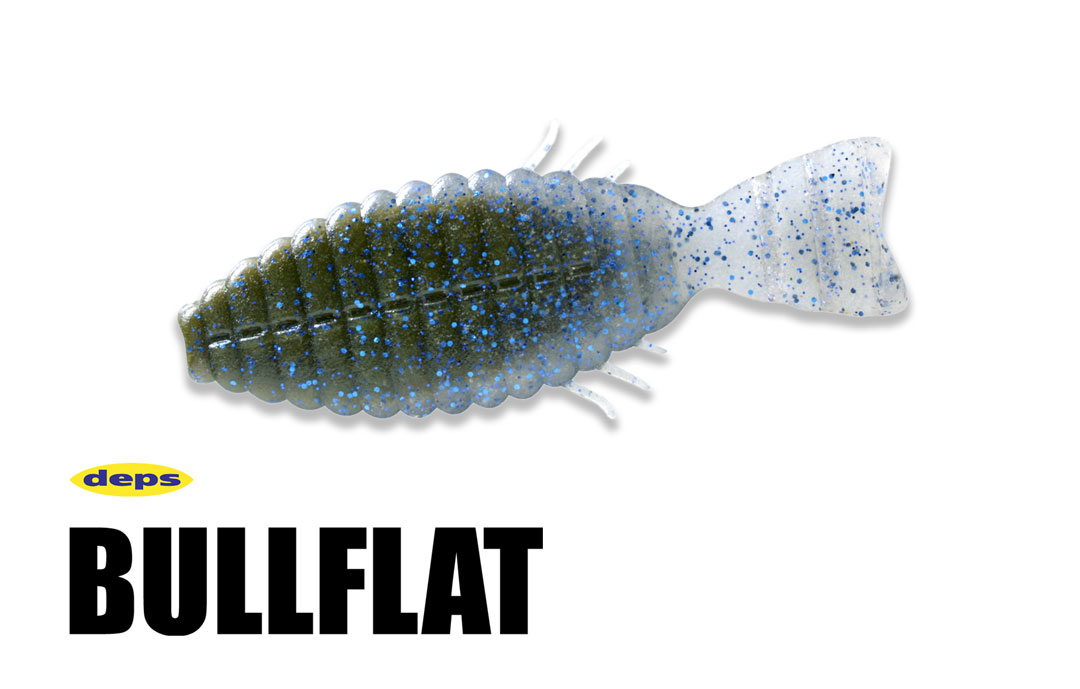
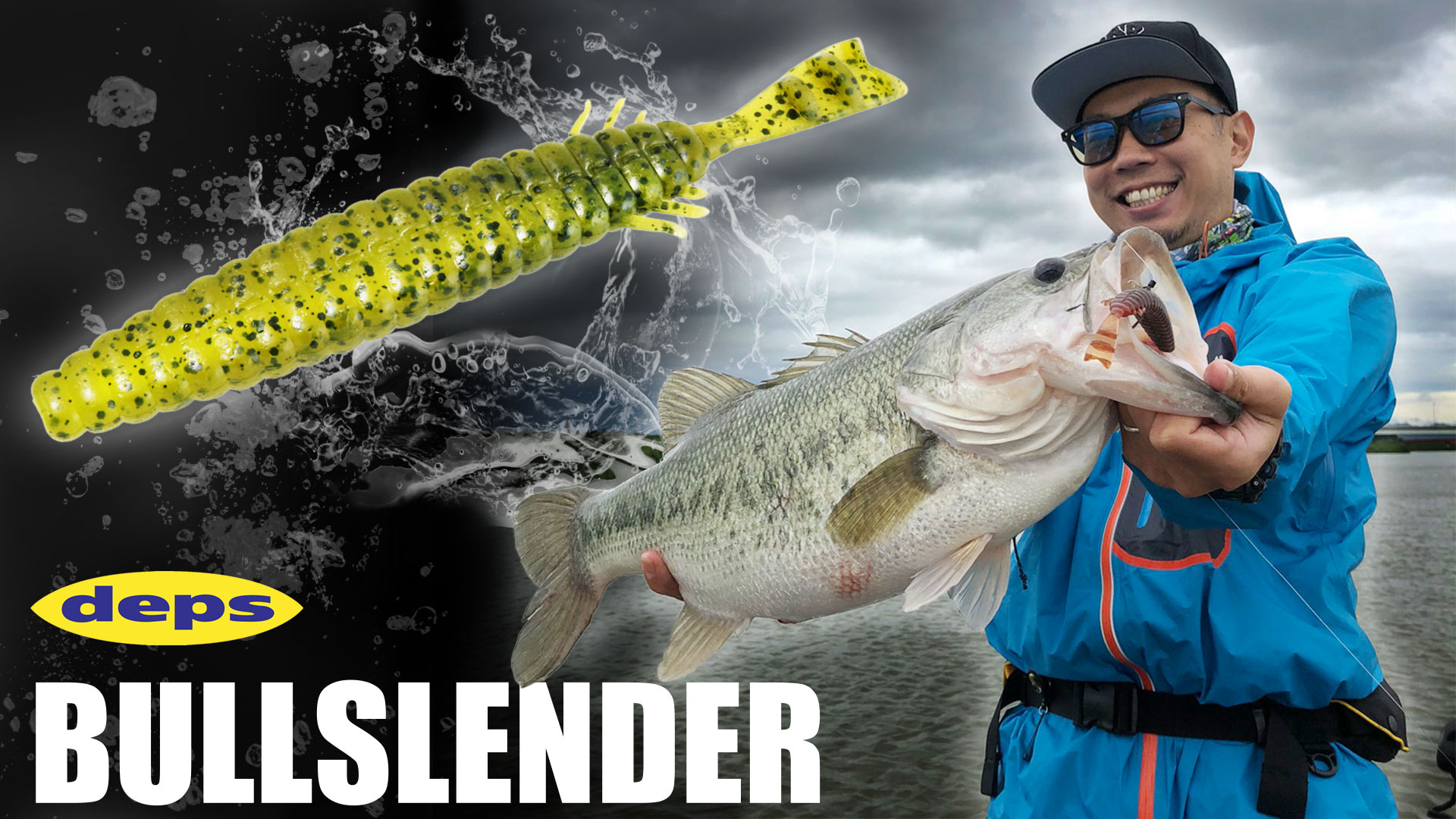
I also really like the deps Bullflat when I know the fish are feeding heavily on bluegills. I just like the natural glide, that spirally fall. There is nothing else on the market that glides like a Bullflat.
There are not a ton of soft plastic baits that you can fish on a Free Rig that imitate a threadfin shad or a bluegill so well.
I really like Green Pumpkin, Green Pumpkin Chartreuse, and Green Pumpkin Smoke Blue. Those are great colors for imitating bluegill.
I rig the Bullflat with an Owner Jungle Wide Gap Hook:
| Bullflat Size | Hook Size |
|---|---|
| 3.8-inch | 4/0 |
| 4.8-inch | 5/0 |
| 5.8-inch | 6/0 |
Feeling the Bite on the Fall
I use braided line to a leader almost exclusively for any dragging-style bait, whatever it may be. I use 30 lb braid, sometimes 40 lb if I am around really heavy vegetation, and a 15 to 20 lb fluorocarbon leader.
The reason I throw braid is for the sensitivity. With the Free Rig being a free-falling bait, once the weight hits the bottom and your bait is falling, you don’t have direct tension to your bait.
So a lot of times, when you get those bites when they are hitting on the fall, unless you pick up and really pull into them, you’ll never know they’ve got it—and it can be too late sometimes.
A lot of the bites I get on the Free Rig are on the initial cast. My bait’s falling, I’ll feel my weight hit the bottom, and then I’ll feel a secondary tick. My weight has already hit the bottom, so I know a fish has picked it up on the fall.
Choosing the Rod
I throw a Phenix 7’2″ Medium Heavy M1 casting rod for anything in the 1/8 oz to 1/4 oz range.
I like the 7’4″ Medium Heavy for larger baits like a big Bullflat or a 4-inch Barbute, or anytime I am using a weight heavier than 1/4 oz.